
The prospecting challenge is real.
Sellers face it every day when making the choice to go after prospects that appear to be low-hanging fruit or quick sales — or pursue prospects with greater spending potential that will take longer to close.

Kurt Sima, on August 24, 2021
The prospecting challenge is real.
Sellers face it every day when making the choice to go after prospects that appear to be low-hanging fruit or quick sales — or pursue prospects with greater spending potential that will take longer to close.
The Center for Sales Strategy, on August 23, 2021

You've met with a prospect several times — and this person also happens to be the CEO of the business. Score!
You've built a great rapport, they've shared challenges with you, and you've developed the perfect solution. You're really getting excited about the opportunities that are unfolding!
It's all going perfect, until you hear...
Greg Giersch, on July 27, 2021

Many believe prospecting for new clients is the most difficult stage in the sales process.
Working at the top of the funnel is certainly filled with more rejection and dead ends than you’ll encounter once you connect and are into the discovery and advise stages.
With all the challenges in the early part of the sales process, it’s not surprising that many salespeople settle for less than desirable new accounts. These accounts often ending up spending less and wanting more. They may not be the best product fit, their results are mediocre, and they doubt the effectiveness of your solutions. They take precious time away from working with more ideal targets and key accounts. And they can suck the life out of your passion for being in sales.
The Center for Sales Strategy, on July 8, 2021
 Have you ever come back to your office after a solid Needs Analysis meeting and shared the exciting news with your manager?
As you sit down to recap, your manager starts to ask you questions about the prospect, and you realize you can’t answer them.
Critical information that you need was never even discussed. The assignment that you uncovered and thought was strong is actually vague, and you begin to understand clearly that you're missing key pieces of information.
You start to deflate as you realize this meeting wasn’t as good as you thought after all.
Shaye Smith, on June 29, 2021
 Recently, I sat on a panel about sales and marketing, and during the presentation, another fellow panelist said, 'Email is dead! Social media is where to reach your people!' Well... I laughed (internally, of course)... but was he right?
Surely not.
Kurt Sima, on May 20, 2021
 Many sellers struggle to develop new customers. Often this has less to do with the seller’s ability to sell, and more to do with the seller’s ability to select quality prospects.
Some prospects are better than others, and qualifying them will help determine which of the prospects should be pursued and which prospects should not.
As you search for ideal prospects (future key accounts), use the following criteria to determine which current clients have the greatest potential for growth and deserve the most time and attention.
LeadG2, on April 7, 2021

Scientists say music changes mood, motivation, cognitive processing, and the ability to retain information. Additionally, music just makes work more fun and time fly!
Setting appointments is a common problem — in fact, the 2020 Media Sales Report found that 80% of sales managers find it harder today than just 5 years ago. Listening to music is just one small motivator that will help get the job done.
Effective sales prospecting is one of the most challenging — and most important —parts of the sales process. Getting it wrong means wasted time and frustration. Getting it right means a healthier pipeline and better performance.
Trey Morris, on December 24, 2020
 "Silence is golden"—usually this is said right after your children leave the room and you finally have a moment of peace.
Jim Hopes, on November 12, 2020
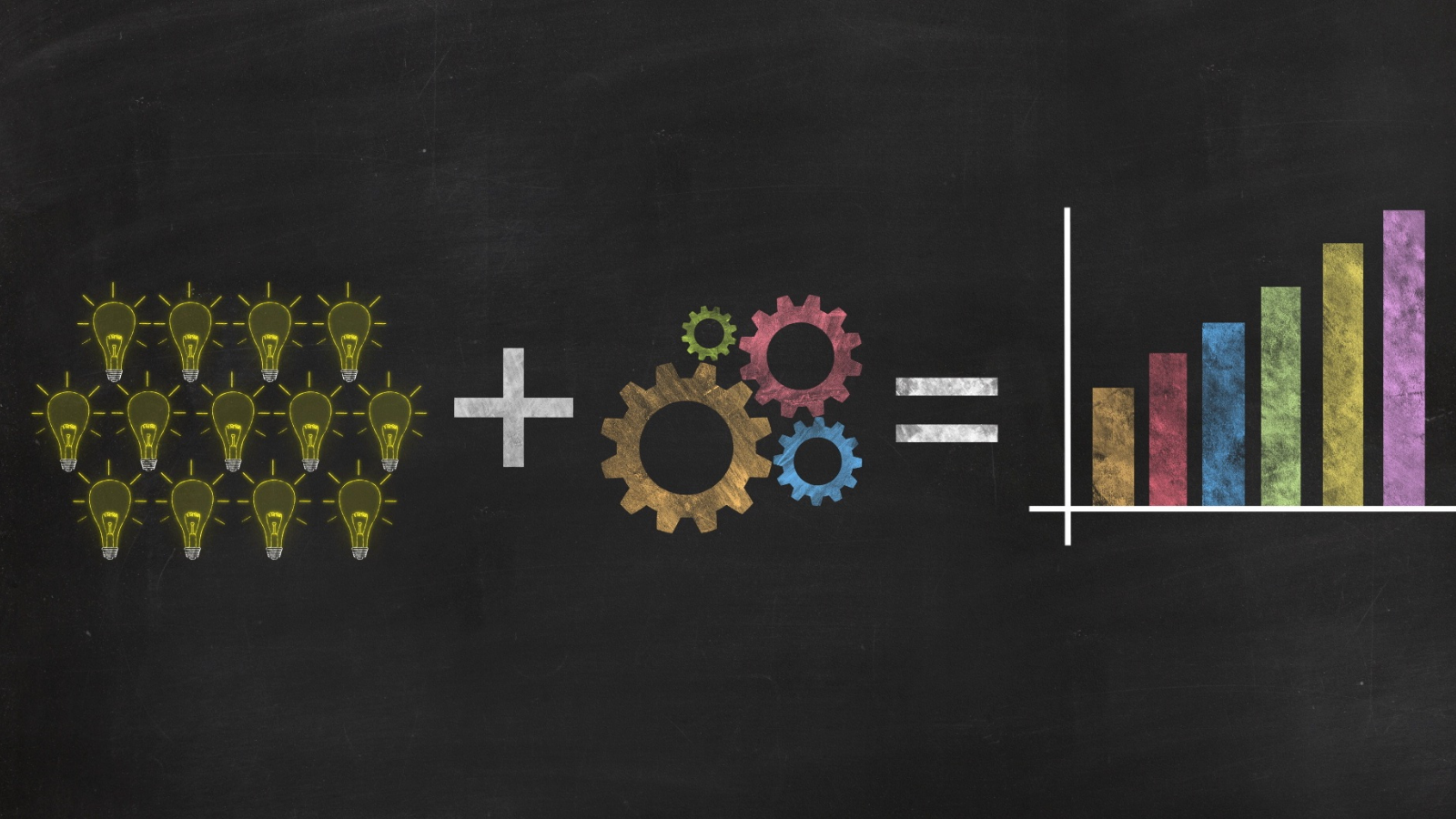
We hear sales managers and execs talk all the time about the importance of sales strategy. “Strategy” is one of the words that gets used a lot. In fact, Webster’s Dictionary says it's in the top 1% of most popular words. After all, who gets heat for talking strategy?
The problem is that most sales “strategies” are not really strategies at all. If you look at that definition of strategy, you see, “a careful plan or method for achieving a particular goal, usually over a long period of time.” That means a strategy doesn’t change (or if it does, it's not very often), is long-term, and describes a set of consistent behaviors.
Many sales strategies are more like tactics — making more calls in a defined period of time, approaching a new group of prospects, or introducing new offers to move the market forward. These things are not bad, but they're tactics, not strategies. Tactics are helpful IF they support a strategy.
Emily Estey, on October 12, 2020

Are you one of the 63% of businesses that have problems getting traffic and leads? Or are your salespeople part of the 44% that give up after one rejection?
It happens to everyone in sales. You connect with a prospect, conduct a needs analysis, maybe even give a stellar presentation, but something happens along the way, and the prospect stalls. Do you know it takes six to eight follow-ups for sales leads to convert to paying customers?
Before moving forward after a stalled account, evaluate where you went wrong. How do you re-engage stalled accounts? Well, it all depends on where you’re at in the sales process.

.png?width=2000&height=307&name=CSS_website%20footer_awards_2%20(1).png "CSS_website footer_awards_2 (1)")